Signs Commercial Brick or Stone Mortar Needs Tuckpointing
Signs commercial brick or stone mortar needs tuckpointing indicate deteriorating mortar joints that local contractors can repair to restore stability and appearance.
Property owners who notice cracks, crumbling mortar, or deteriorating joints in their brick or stone facades may find themselves exploring options for repair and restoration. Addressing signs commercial brick or stone mortar needs tuckpointing promptly can help maintain the structural integrity and visual appeal of a building. Whether it’s a historic commercial property or a modern office space, keeping mortar in good condition is essential for preventing further damage and preserving the overall value of the property.
For those in the local area, understanding when tuckpointing services are needed can save time and money down the line. Experienced service providers can assess the condition of brick or stonework and determine the best approach to restore mortar joints effectively. By working with local contractors who specialize in tuckpointing, property owners can ensure that their buildings stay durable and attractive, all while safeguarding their investment. Keep reading to learn more about recognizing the signs and how professional tuckpointing can help address them.
- Signs commercial brick or stone mortar needs tuckpointing - property owners noticing crumbling or deteriorated mortar may seek tuckpointing services to restore structural integrity.
- Signs commercial brick or stone mortar needs tuckpointing - businesses experiencing visible cracks or gaps in brick or stonework often turn to local contractors for repair and preservation.
- Signs commercial brick or stone mortar needs tuckpointing - buildings with water infiltration or moisture damage may require tuckpointing to prevent further deterioration.
- Signs commercial brick or stone mortar needs tuckpointing - property managers observing loose or missing mortar joints might contact service providers to secure and stabilize the structure.
- Signs commercial brick or stone mortar needs tuckpointing - owners of aging or historic brick or stone facades often seek tuckpointing to maintain aesthetic appeal and structural soundness.
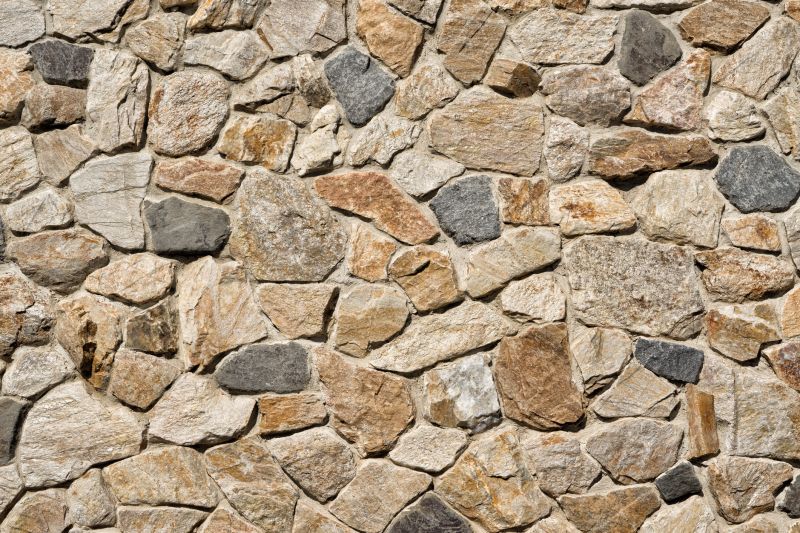
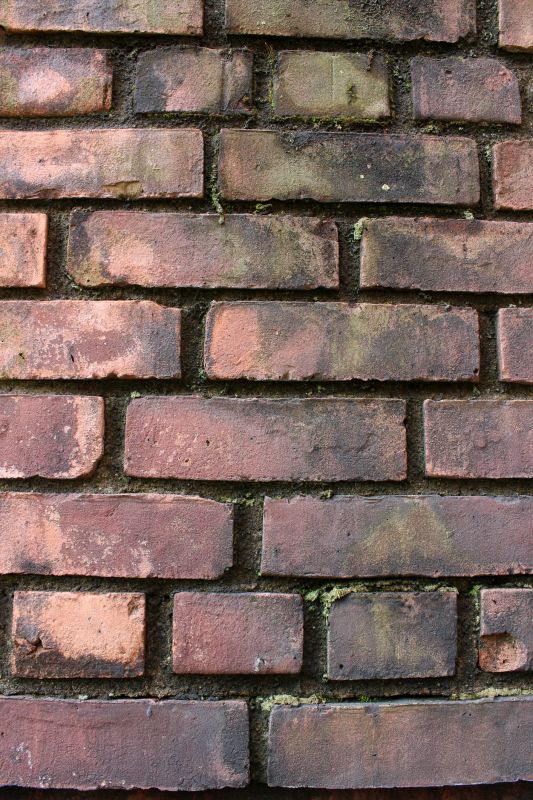
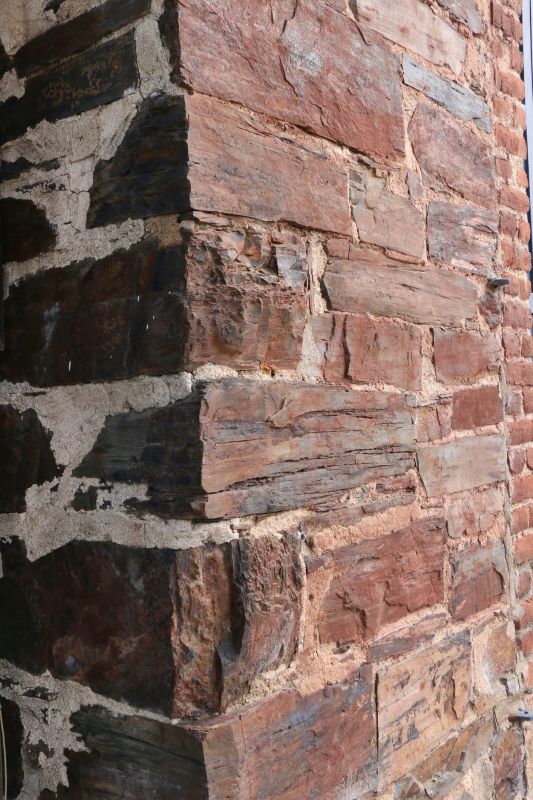
When people search for signs commercial brick or stone mortar needs tuckpointing, they are often noticing visible issues with the mortar joints in their building’s exterior. Common indicators include cracked, crumbling, or missing mortar, as well as areas where the mortar appears significantly darker or lighter than surrounding joints. These signs suggest that the mortar has deteriorated over time and may no longer be providing proper support or weather resistance. Recognizing these visual cues early can help property owners prevent more serious structural problems and maintain the appearance of their brick or stone surfaces.
Tuckpointing is typically associated with restoring the integrity and aesthetic appeal of brick and stone facades. When mortar begins to fail, it can lead to water infiltration, freeze-thaw damage, and even structural instability if left unaddressed. Property owners may consider tuckpointing as part of routine maintenance or when planning renovations to preserve the longevity of their building. In commercial settings, maintaining a professional appearance is often essential, and fresh mortar joints contribute to a clean, well-kept look. Understanding these needs can help property managers and owners plan for repairs that protect their investments and ensure the safety of occupants.
The types of properties that commonly require tuckpointing include commercial buildings such as retail stores, office complexes, and industrial facilities, as well as multi-family residential buildings like apartment complexes. Older structures, particularly those built with traditional brick or stone, are more prone to mortar deterioration due to age and exposure to the elements. Even newer buildings may need tuckpointing if their mortar was not properly mixed or applied initially. These projects often involve assessing the condition of the mortar, removing damaged joints, and carefully applying new mortar to match the existing style and color, which is where experienced local contractors can provide valuable expertise.
Engaging with local pros who specialize in brick and stone tuckpointing can make a significant difference in addressing signs that commercial mortar needs attention. These service providers have the skills to evaluate the condition of the mortar, recommend appropriate repairs, and restore the building’s appearance and durability. Whether the goal is to prevent further damage, improve curb appeal, or prepare a property for sale or lease, experienced contractors can handle the job efficiently. Property owners should look for local experts who understand the specific needs of brick and stone facades in their area, ensuring repairs are done correctly and effectively.
Historic building restoration - professionals experienced in restoring historic brick and stone structures can address mortar deterioration similar to tuckpointing needs, ensuring structural integrity and aesthetic accuracy.
Chimney repair and rebuilding - local contractors skilled in brick and stone work can handle mortar repointing and repair to maintain safety and prevent further damage in chimney structures.
Facade cleaning and sealing - experts in cleaning and sealing brick or stone facades often perform mortar repairs as part of preserving the building’s exterior appearance and durability.
Foundation wall repair - specialists working on foundation walls may need to replace or repair mortar joints to stabilize and reinforce brick or stone foundations.
Exterior brick or stone wall construction - builders involved in new or repair projects often require mortar application skills similar to tuckpointing when laying or restoring walls.
Masonry crack repair - local service providers skilled in fixing cracks in brick or stone masonry often perform mortar joint repairs as part of maintaining structural soundness.
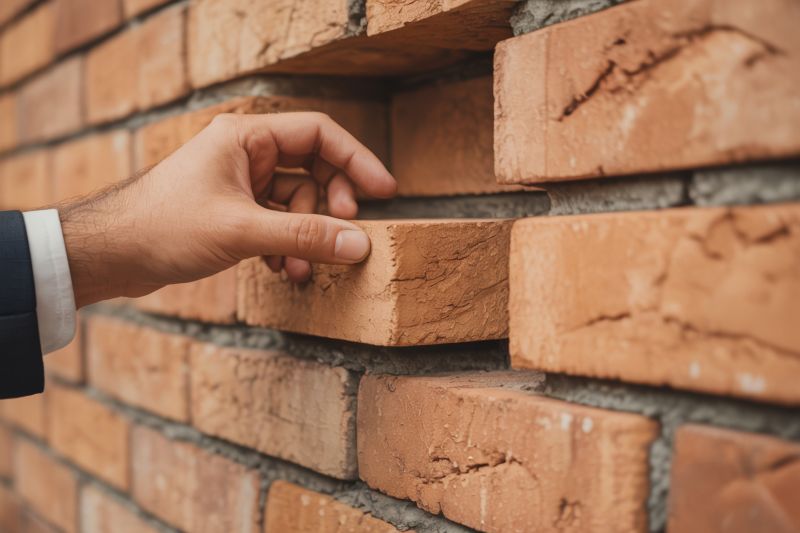
When comparing service providers for signs commercial brick or stone mortar needs tuckpointing, it is important to consider their experience with similar projects. A contractor who has handled brick or stone tuckpointing for commercial buildings or structures with comparable materials can offer insights into the specific challenges and best practices for your job. Asking about their past work or reviewing their portfolio can help determine if they have the necessary expertise to handle the unique requirements of your property, ensuring that the work is performed with quality and attention to detail.
Clear written expectations are essential when evaluating local contractors for tuckpointing services. A reputable service provider should be able to outline the scope of work, materials to be used, and the steps involved in the process. Having these details documented helps prevent misunderstandings and provides a reference point for both parties. It also demonstrates professionalism and transparency, making it easier to compare different contractors based on the clarity and thoroughness of their proposals.
Reputable references and effective communication are key factors to consider when choosing a contractor for signs commercial brick or stone mortar needs tuckpointing. A contractor with a history of satisfied clients can offer insights into their reliability, workmanship, and ability to meet expectations. Additionally, good communication-prompt responses, clear explanations, and a willingness to answer questions-can greatly influence the overall experience. Working with service providers who prioritize open dialogue and transparency can help ensure the project proceeds smoothly and meets the specific needs of your property.
Property owners often search for signs commercial brick or stone mortar needs tuckpointing when they are planning practical projects around their homes and businesses. Local pros provide Brick or Stone Tuckpointing services for everyday jobs and straightforward project options.
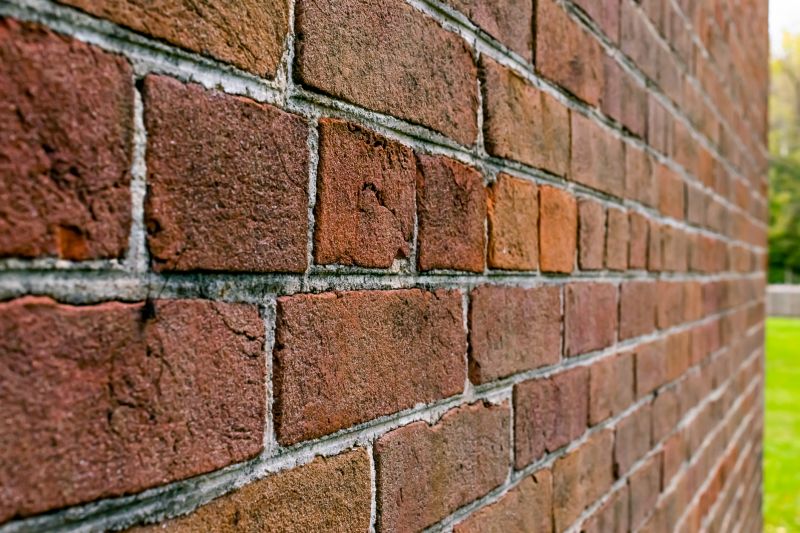
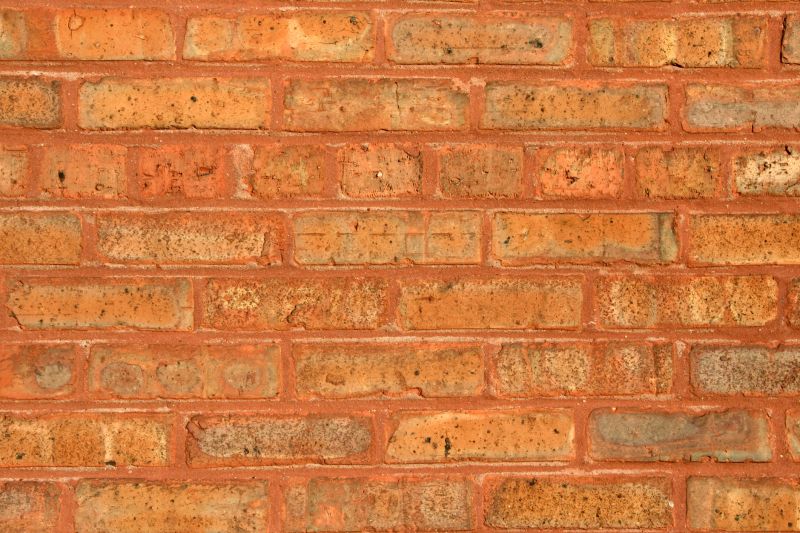
Property owners noticing cracks, crumbling mortar, or damaged joints on their brick or stone exteriors often consider tuckpointing services. These signs commercial brick or stone mortar needs tuckpointing can indicate that the structural integrity of the masonry is compromised, leading to potential further damage if left unaddressed. Local contractors who specialize in brick and stone repair can evaluate the condition of the mortar and recommend the appropriate course of action to restore both appearance and stability.
In many cases, visible deterioration or water infiltration around brick or stonework prompts property owners to seek professional help. Tuckpointing is a common solution to repair worn or missing mortar, helping to prevent moisture intrusion and maintain the longevity of the masonry. Local service providers experienced in tuckpointing can handle these repairs efficiently, ensuring the exterior remains durable and visually appealing.
What are common signs that commercial brick or stone mortar needs tuckpointing? Visible cracks, crumbling mortar, or missing sections are typical indicators that tuckpointing services may be needed to restore the integrity of the masonry.
How can I tell if mortar deterioration affects the safety of a brick or stone building? If mortar deterioration leads to loose or shifting bricks or stones, it can compromise structural stability, making professional assessment and tuckpointing advisable.
Are there visual cues that suggest tuckpointing is necessary for brick or stone exteriors? Yes, discoloration, efflorescence, or water stains on the surface can signal mortar issues that require attention from local contractors.
What impact does weather have on the need for tuckpointing in brick or stone structures? Exposure to moisture, freeze-thaw cycles, and temperature changes can accelerate mortar deterioration, indicating a need for repair services.
Why is timely tuckpointing important for commercial brick or stone buildings? Addressing mortar issues promptly helps prevent further damage, maintaining the building’s appearance and structural integrity through professional services.
Identify cracks and gaps - Recognizing visible cracks or gaps in brick or stone mortar can help property owners determine when tuckpointing services are needed to prevent further damage.
Monitor for deterioration - Signs of crumbling or missing mortar indicate that a professional tuckpointing job may be necessary to maintain the structural integrity of the masonry.
Check for water intrusion - Water stains or efflorescence on brick or stone surfaces can suggest mortar needs repair, prompting property owners to seek local contractors for inspection.
Assess aesthetic wear - Uneven or discolored mortar joints can impact a building’s appearance, encouraging property owners to consider tuckpointing to restore its visual appeal.
If you are thinking about signs commercial brick or stone mortar needs tuckpointing for a property, this guide is meant to help you understand this topic, the typical project types, and how different options might fit your plans.
When you are ready, you can use the quote form on this page to share a few details about your project. From there, local pros can review the basics and follow up with options that match what you have in mind.